Why Every Copywriter Should Be a Thief (and What to Steal First)
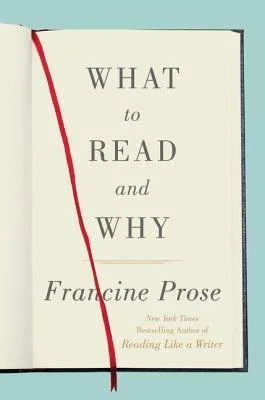
… as inspired by Francine Prose.
“Words are the raw material out of which literature is crafted,” wrote Francine Prose in Reading Like a Writer. And for copywriters, those raw materials aren’t just in books—they’re in every great ad, unforgettable tagline, and scroll-stopping campaign.
Here’s the thing: great copy doesn’t come from staring at a blank page, hoping the muse shows up. It comes from reading brilliance and politely pocketing it.
Every headline that made you stop, every email that made you click, every campaign that gave you goosebumps—they’re not just good marketing. They’re blueprints.
If you’re not reading great ads, you’re not writing great copy.
Why Do It—and How to Do It
1. Because great ads don’t just “happen.”
Why do it: Every legendary ad—“Just Do It,” “Think Different,” “Got Milk?”—was built on the bones of ideas that came before. Reading great copy is how you learn to connect with your audience and craft words that resonate for decades.
How to do it: Go beyond the surface. Take an ad you love and ask, What’s the strategy here? How does it make me feel something? What’s the psychology at play? Break it apart like a watch and see what makes it tick.
2. Because reading teaches you precision.
Why do it: Copywriting isn’t a word buffet—it’s a five-course meal. You say the most with the least, and great ads show you how to wield words like a scalpel.
How to do it: Start with the legends. Ogilvy. Bernbach. Mary Wells Lawrence. Study their headlines, taglines, and CTAs. Then grab your own work and slash it by 20%. Repeat until it stings. Good writing is lean writing.
3. Because the best copywriters are thieves.
Why do it: Every great writer is a thief—not of words, but of techniques. Reading lets you borrow the rhythm, tone, and strategies that work and make them your own.
How to do it: Create a swipe file. Collect ads, emails, and taglines that made you stop and think, Wow, that’s good. Analyze them. What’s the structure? The tone? The rhythm? Figure it out, then try using those same techniques in your own writing.
4. Because you’ll never run out of ideas.
Why do it: Francine Prose says great readers always have their radar on. Inspiration is everywhere: in billboards, emails, TikToks, and even bad ads. If you’re constantly absorbing, you’ll never hit a creative drought.
How to do it: Be curious. Keep a notebook or app handy to jot down ideas, phrases, or headlines that catch your eye. The more you collect, the more ammunition you’ll have when it’s time to write.
5. Because reading builds your creative muscles.
Why do it: Prose said, “If you want to be a writer, you must do two things: read a lot and write a lot.” Reading sharpens your instincts for what works—and why.
How to do it: Set aside time every day to read something that stretches you. Great ads. Great books. Great insults. Then flex your muscles: write every single day. Write until you hate it. Then rewrite until you don’t.
6. Because no one writes in a vacuum.
Why do it: Every sentence you write is part of a larger conversation with everything you’ve read. If you’re not exposing yourself to brilliant writing, how can your own words compete?
How to do it: Be intentional about what you consume. Don’t just scroll Instagram or skim emails—pay attention to the words that move you. Ask yourself, Why do I care about this?
7. Because reading makes you a better editor.
Why do it: Great readers know what not to say. They notice the fluff, the filler, and the dead weight. The sharper your eye, the sharper your edits.
How to do it: After reading something brilliant, ask: What didn’t they say? Then apply that same discipline to your own copy. Does every word pull its weight? If not, fire it.
8. Because reading teaches you how to take risks.
Why do it: The best ads don’t play it safe. They challenge, provoke, and leave an impression. Reading groundbreaking campaigns helps you understand how to step outside your comfort zone—and take your audience with you.
How to do it: Seek out ads that took risks and worked. Nike’s “You Can’t Stop Us,” Apple’s “1984,” Burger King’s “Moldy Whopper.” Study what made them unforgettable.
So, what are you reading today? If the answer’s nothing, you’re not behind the curve—you are the curve.
